
Something shifted in how people are planning trips to Europe in 2026.
It’s not about checking off the biggest cities anymore. Travelers are moving more slowly, staying longer, and looking harder for the places that haven’t been discovered by everyone else yet. Sustainable travel is no longer a niche preference. It’s becoming the default. And the hidden gems of Europe, the places that were quietly beautiful for decades while everyone else queued at the Eiffel Tower, are finally getting their moment.
This is your European travel guide for 2026. I’ve pulled together six destinations that are trending for all the right reasons, from a dramatic Adriatic coastline to a Finnish city that’s about to become the cultural capital of the continent. Some of these you’ll recognize. Others might surprise you.
At Crystalista Travels, this is exactly the kind of European travel we love building itineraries around. So let’s get into it.
Montenegro: The Adriatic’s Best-Kept Coastal Secret
Montenegro is having a moment, and honestly, it’s been earning it quietly for years.
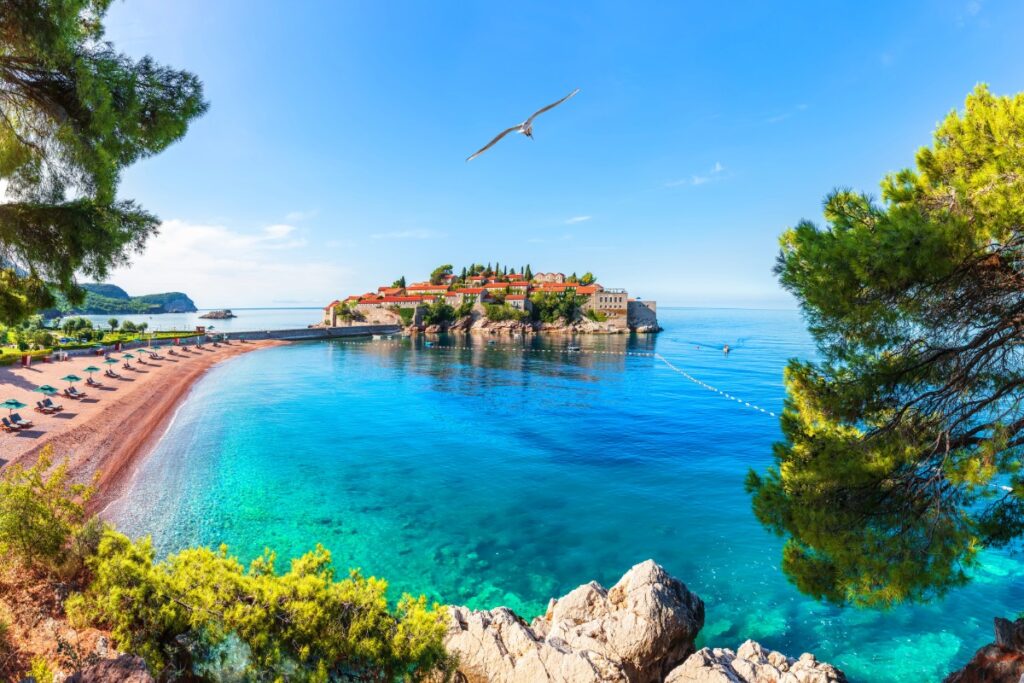
This is one of the trending European destinations for 2026 that genuinely deserves attention. It sits right next to Croatia on the Adriatic coast, but without the crowds or the price tag. The scenery is, frankly, absurd. Mountains drop straight into the sea. Medieval walled towns sit at the water’s edge. And the whole thing moves at a pace that makes you exhale within about 20 minutes of arriving.
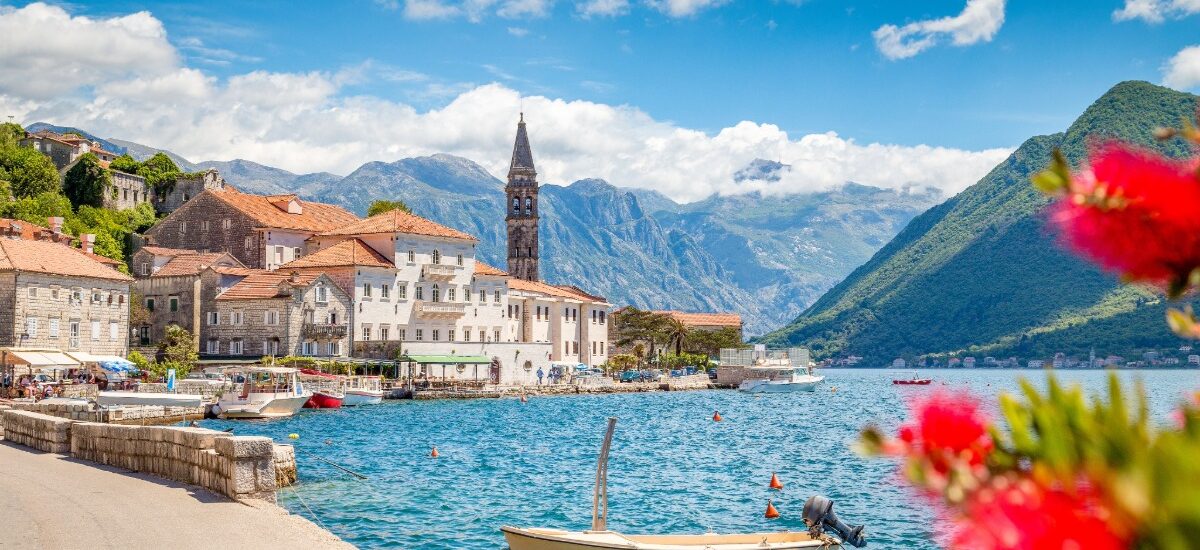
The centerpiece is the Bay of Kotor, a UNESCO World Heritage Site that looks more like a Norwegian fjord than anything you’d expect on the Mediterranean. The town of Kotor itself is perfectly preserved, its old walls winding up the mountain above it like something from a fairy tale. You can walk the walls in about two hours and get views that rival anything in Europe.
Montenegro travel suits people who want the drama of the Dalmatian coast without the cruise ship crowds. It’s one of the clearest examples of sustainable travel Europe has to offer right now, a destination where tourism hasn’t yet outrun the infrastructure or the culture that makes it worth visiting.
If Croatia was your 2023 trip, Montenegro is your 2026 upgrade.
The Hebrides, Scotland: Slow Travel at Its Most Honest
If you’ve never heard of the Hebrides, you’re not alone. That’s partly the point.
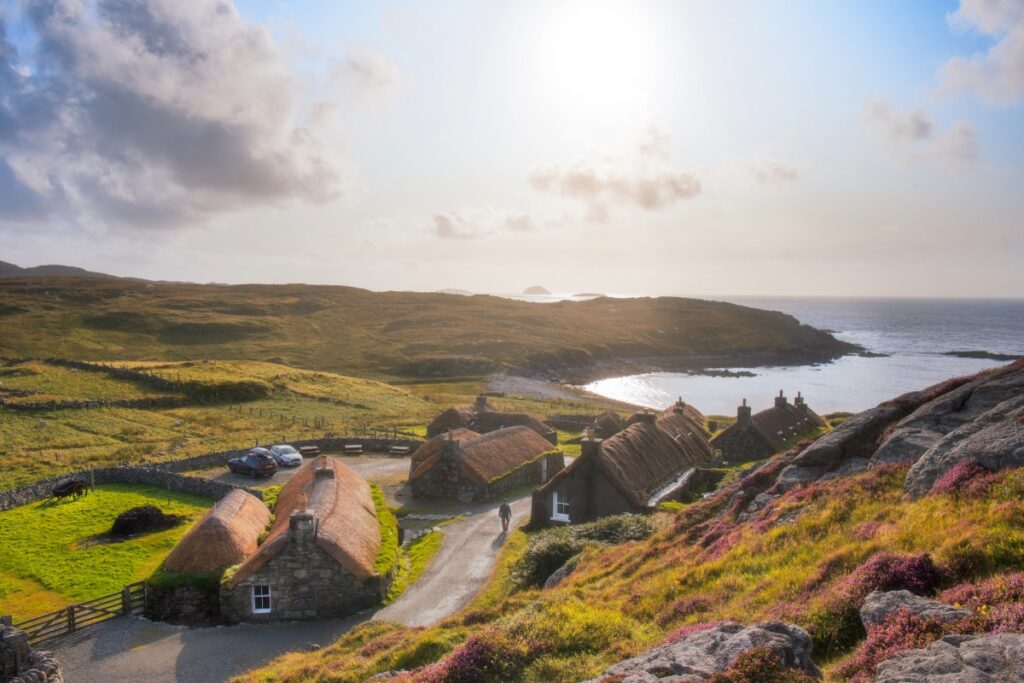
This chain of islands off the northwest coast of Scotland is one of the most striking hidden gems Europe has been sitting on for centuries. It’s rugged, remote, and almost startlingly beautiful in a way that asks nothing of you. There are no queues. No guided tours every fifteen minutes. Just wide open skies, dramatic cliffs, and on the islands of Harris and Lewis, white sand beaches that look borrowed from the Caribbean.
Slow travel was made for a place like this. You can’t rush the Hebrides. The roads are narrow, the weather changes without warning, and the best experiences, a conversation with a local weaver, a walk along an empty beach, watching the sun set over the Atlantic at 10 pm in July, can’t be scheduled. They just happen.
The Gaelic culture here is alive in a way that feels rare. Traditional music, Harris Tweed still being woven in homes, a language that sounds as if it’s been carried carefully across the centuries. It’s one of the most immersive travel experiences I can point you toward anywhere in Europe right now.
For 2026, the Hebrides are one of the hidden gems Europe genuinely has left. Go while it still feels like a secret.
Oulu, Finland: Europe’s Cultural Capital in 2026
This one is official.
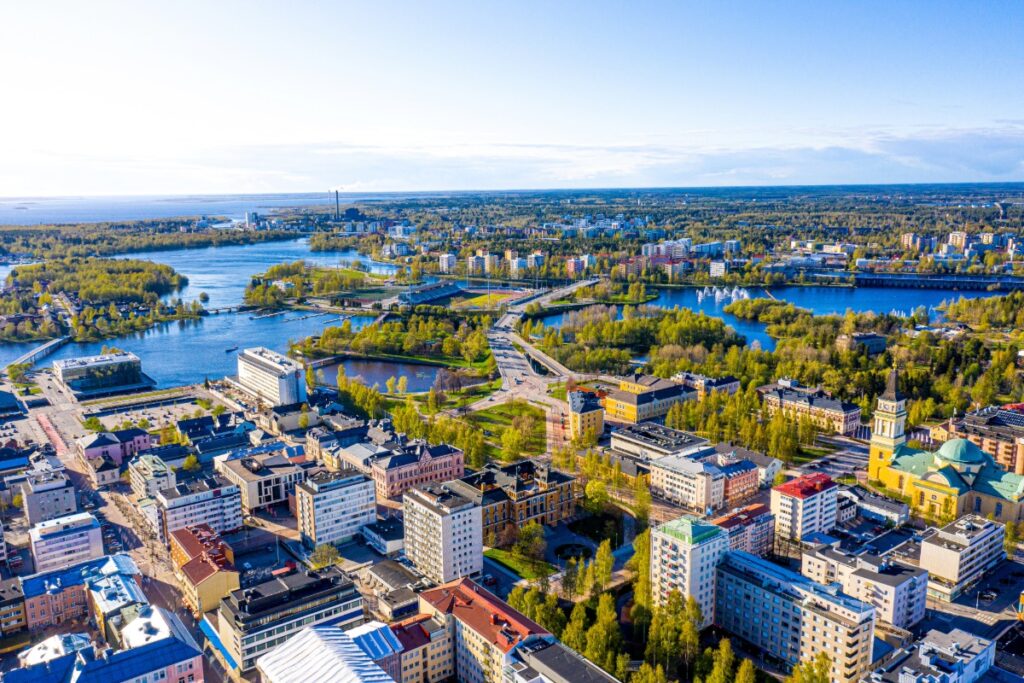
Oulu, a city on the western coast of Finland, is the European Capital of Culture for 2026. That designation matters because it means a full year of art exhibitions, music festivals, cultural programming, and international attention pointed at a city that most European travelers couldn’t have placed on a map five years ago.
Oulu, Finland, 2026, is a genuinely compelling reason to go north. The city sits just below the Arctic Circle and has this interesting tension between deep Nordic heritage and a modern creative energy that’s been building for years. Think cutting-edge design alongside centuries of Finnish coastal history.
In summer, the light barely disappears. In winter, the aurora borealis shows up. The city is compact, walkable, and easy to navigate. And right now, before the broader travel world fully catches on, it still feels like one of the more exciting hidden gems Europe has to offer in 2026.
If your idea of sustainable travel includes supporting destinations that aren’t already overwhelmed with visitors, Oulu is a genuinely great choice this year.
Guimarães, Portugal: Where Portugal Actually Began
Most people fly into Lisbon or Porto and never make it here. That’s their loss.
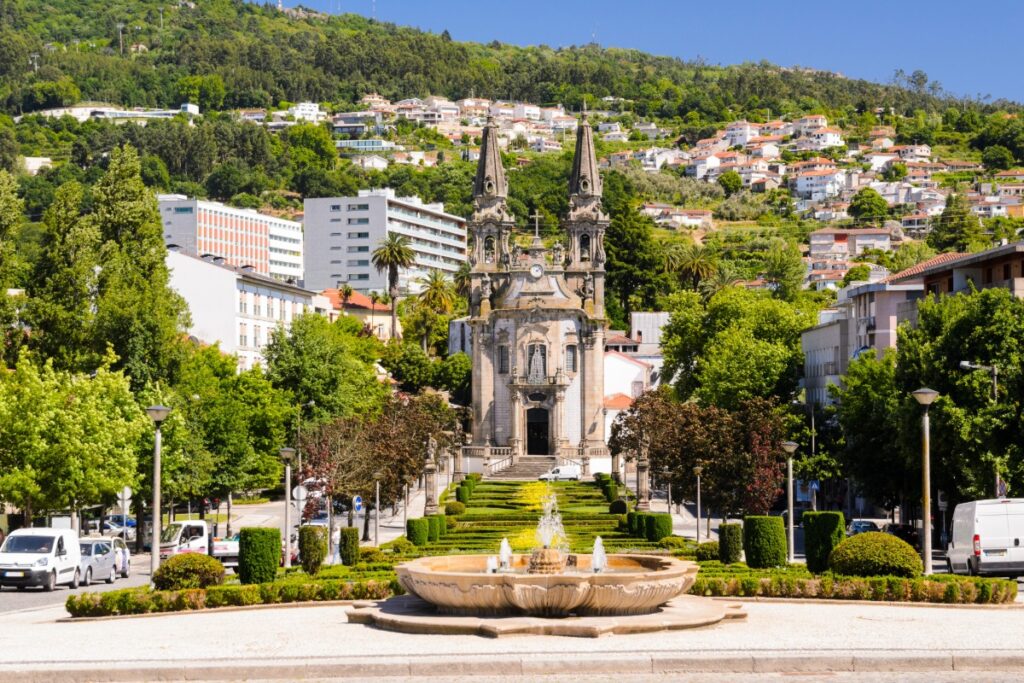
Guimarães is known as the birthplace of Portugal, the city where the nation was essentially founded in the 12th century. The medieval historical center is UNESCO-listed and so well-preserved it feels less like a tourist attraction and more like a city that simply never stopped taking care of itself.
Walking through the old town feels different from that in other medieval European cities because it’s not put on for visitors. People live here. Restaurants serve food that’s been made the same way for generations. The castle that sits above the city has stood since the 11th century and costs almost nothing to enter.
Among the trending European destinations for 2026, Guimarães punches well above its weight. It’s Portugal without the Instagram crowds that have followed Lisbon everywhere. The food scene is rooted in genuinely local traditions, heavy on slow-cooked meats, fresh bread, and local wine. It’s the kind of place that makes you rethink what a great European trip actually looks like.
For anyone building a Portugal itinerary in 2026, Guimarães deserves at least two nights. Probably more.
The Swiss Alps: Grindelwald and the Scenery That Never Gets Old
The Swiss Alps vacation is one of those experiences that never really goes out of style.
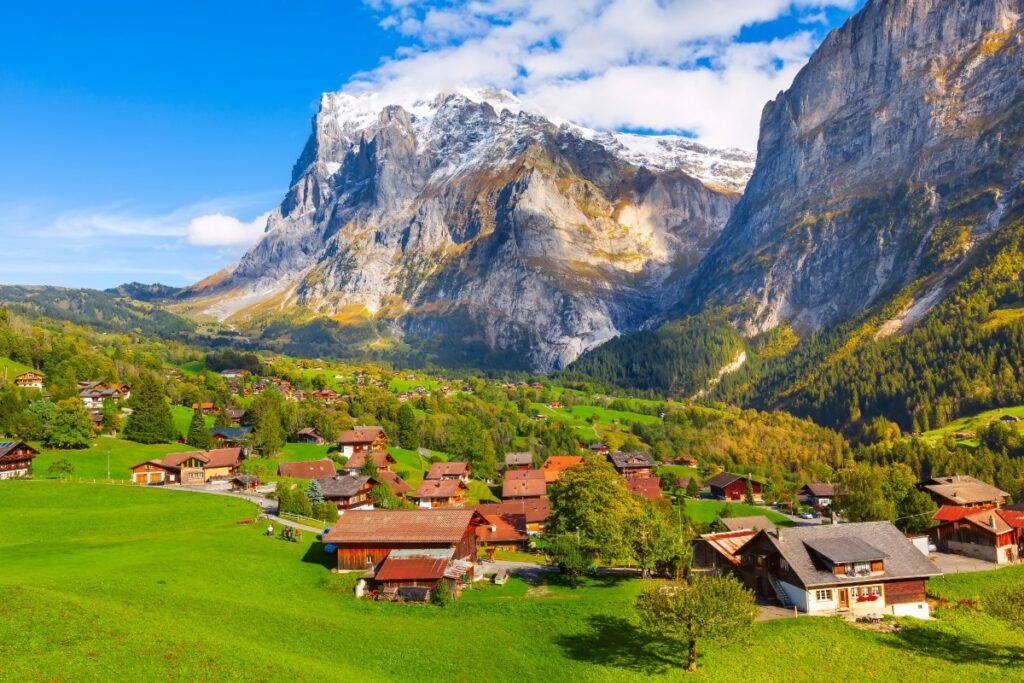
Grindelwald is the best base in the Alps for my money. It sits directly beneath the Eiger’s famous North Face, one of the most dramatic mountain walls in the world. From the valley floor, you can see it all day long. Grindelwald hiking options range from gentle walks through wildflower meadows to serious ascents above the snowline, and the infrastructure for getting around, cable cars and mountain railways, is genuinely excellent.
Interlaken, nearby, is the gateway town, busier and more commercial, but worth a stop for its lake views and access to the wider Jungfrau region.
What makes a Swiss Alps vacation worth the investment in 2026 is the combination of accessibility and wilderness. You can step off a train in Grindelwald, lace up your boots, and be on a trail in ten minutes. The landscapes reward slow travel. Sit in one valley for three days, and you’ll see light hit the mountains differently every single morning.
It’s one of those places that earns its reputation every time.
Cinque Terre, Italy: Still Worth It, If You Go Right
Yes, Cinque Terre is busy. Yes, you’ve seen the photos a thousand times. Go anyway.
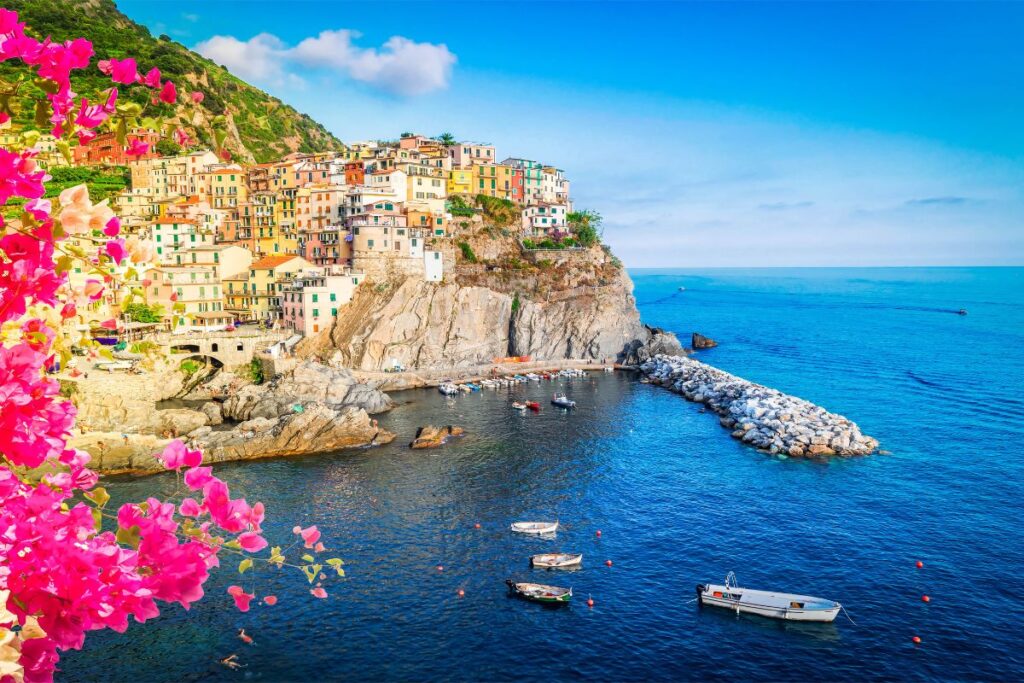
The five villages of Cinque Terre, Monterosso, Vernazza, Corniglia, Manarola, and Riomaggiore, cling to cliffsides above the Ligurian Sea in a way that shouldn’t be physically possible. The colors of the buildings, the terraced vineyards, the Mediterranean below it all. It’s one of those places that earns its reputation every single time.
The key to doing Cinque Terre right in 2026 is timing and approach. Go early in the season (May is ideal) or in September when the summer peak has passed. Stay in the villages rather than day tripping from La Spezia. And walk the coastal trails in the morning before the day visitors arrive.
Sustainable travel matters here more than almost anywhere else on this list. The villages are fragile ecosystems, small communities that have managed the pressure of mass tourism with varying success. Staying local, eating local, and moving slowly are both ethical choices and give you the best experience.
Cinque Terre, Italy, remains one of the most beautiful places I’ve ever stood. In 2026, it still belongs on the list.
Ready to Make This Your Year in Europe?
From the Bay of Kotor to the cliffs of Cinque Terre, from the wild shores of the Hebrides to the cultural energy of Oulu, Finland, 2026, this is what European travel looks like when you do it right.
The shift toward sustainable travel, toward slow travel, toward finding the hidden gems Europe still has on offer, is making trips better. More intentional. More memorable.
But building a multi-stop European itinerary that actually works, with the right pacing, the right bases, the right experiences booked ahead of time, takes planning.
That’s what Crystalista Travels does.
Whether you’re dreaming of a Swiss Alps vacation in Grindelwald, a week exploring Montenegro, traveling along the Bay of Kotor, or a full Crystalista Travels Europe itinerary hitting three or four countries in one trip, we’ll make sure every detail is taken care of.
Ready to explore the best of Europe in 2026? Visit Crystalista Travel Advisor and let’s start building your itinerary today.